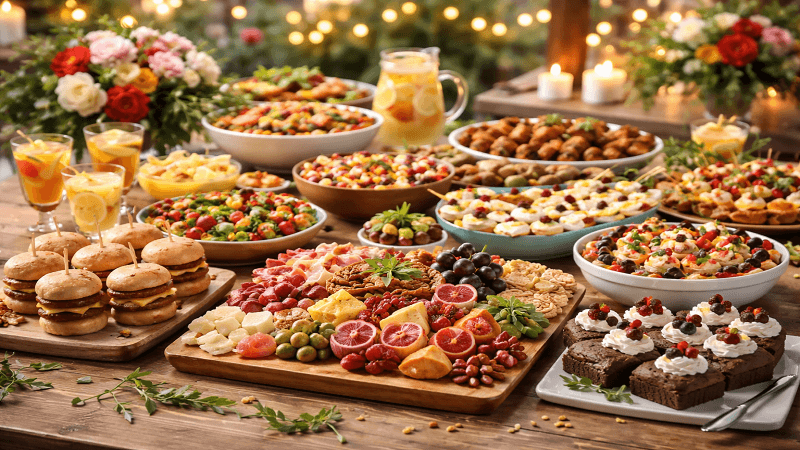
Food plays a powerful role in human connection. It brings families together, strengthens friendships, and turns simple moments into lasting memories. Whether it is a birthday, anniversary, holiday dinner, or casual get-together, the food you serve defines the experience. A well-planned food menu does more than satisfy hunger. It creates comfort, excitement, and joy for every guest.
In today’s busy world, people want food that is delicious, practical, and visually appealing. This article explores how food shapes events, how to plan the perfect menu, and how thoughtful details elevate any celebration.
The Emotional Power of Food
Food carries emotions. A familiar dish can remind someone of home. A new recipe can spark curiosity and conversation. When guests enjoy what they eat, they feel welcomed and valued.
Every culture uses food to celebrate important moments. From traditional meals to modern fusion dishes, food becomes part of the story of the event. That is why hosts should plan carefully and serve dishes that match the occasion.
Planning the Perfect Food Menu
Menu planning is the foundation of a successful gathering. It starts with understanding your guests. Consider their age, preferences, and dietary needs. Some guests may prefer mild flavors, while others enjoy bold spices.
A balanced menu should include:
- Appetizers to welcome guests
- Main dishes that feel filling but not heavy
- Side dishes for variety
- Desserts to end the meal on a sweet note
Avoid serving too many complicated items. Simple dishes prepared with care often leave the strongest impression.
Appetizers That Set the Mood
Appetizers are the first taste guests experience. They set expectations for the rest of the meal. Finger foods work best because they are easy to eat and serve.
Popular appetizer options include:
- Mini sandwiches or wraps
- Stuffed pastries
- Vegetable platters with dips
- Fried or baked snacks
Keep portions small. The goal is to build excitement, not fill guests too early.
Main Dishes That Everyone Enjoys
Main dishes should be comforting and familiar. Choose recipes that stay warm and taste good even after some time. Avoid dishes that require constant attention.
Rice dishes, pasta, grilled meats, baked chicken, and vegetable casseroles are great choices. Offer at least one vegetarian option. This shows consideration and makes all guests feel included.
Spice levels should be moderate unless the event theme suggests otherwise. It is safer to keep flavors balanced and pleasing.
Side Dishes Add Balance
Side dishes support the main course. They add color, texture, and nutrition to the plate. Salads, roasted vegetables, bread, and sauces complete the meal.
Fresh ingredients improve taste and appearance. Use seasonal vegetables when possible. Simple seasoning allows natural flavors to shine.
Food Presentation Matters
Presentation affects how food is perceived. Clean serving dishes, an organized layout, and thoughtful garnishing make food more attractive. Even simple meals look special when presented neatly.
Buffet-style setups work well for gatherings. They allow guests to choose what they like and manage portions themselves. Label dishes clearly to avoid confusion.
Desserts Create Lasting Impressions
Desserts are often the most remembered part of the meal. They mark the end of the event and leave guests satisfied. Desserts do not need to be complex to impress.
Cakes, cupcakes, brownies, fruit bowls, and chilled desserts are popular choices. Small portions are ideal. They allow guests to enjoy sweets without feeling overwhelmed.
A mix of traditional and modern desserts works well. Presentation is key here too.
Healthy Food Options Are Important
Many guests appreciate lighter food choices. Including healthy options shows care and awareness. Grilled items, salads, fruit-based desserts, and low-oil dishes balance richer foods.
Healthy does not mean boring. With proper seasoning and presentation, healthy dishes can be just as appealing.
Food and Event Planning Go Hand in Hand
A great event needs coordination beyond food. Invitations, timing, seating, and theme all matter. When these elements align, the experience feels smooth and enjoyable.
Many hosts now choose printable party invites because they are convenient and customizable.
These invites can match food themes easily and help guests feel excited before the event begins.
Tips for Stress-Free Hosting
Hosting does not need to be stressful. Preparation makes a big difference. Choose recipes you are confident in making. Prepare items in advance whenever possible.
Helpful tips include:
- Plan your menu early
- Make a shopping list
- Cook dishes that can be reheated
- Ask for help when needed
Enjoy the process. A relaxed host creates a relaxed atmosphere.
Final Thoughts
Food is more than just a necessity. It is a way to connect, celebrate, and express care. Thoughtful menu planning, simple recipes, and good presentation transform any gathering into a meaningful event.
When food is prepared with intention and served with warmth, guests feel valued. From appetizers to desserts, every dish plays a role. With the right planning, your food can turn any gathering into a truly memorable feast.